Identify where light is useful
List the places you want to illuminate: a doorway, walkway, patio, garage approach, or work area. Think about where people move and where light should land. A brighter fixture is not automatically a better arrangement if its light misses the intended area.
Consider controls and surrounding windows
Motion controls, timers, and manual switches serve different purposes. Describe whether you need brief arrival lighting, regular evening use, or a continuously illuminated area. Mention nearby windows and neighboring spaces so fixture direction and operation can be considered.
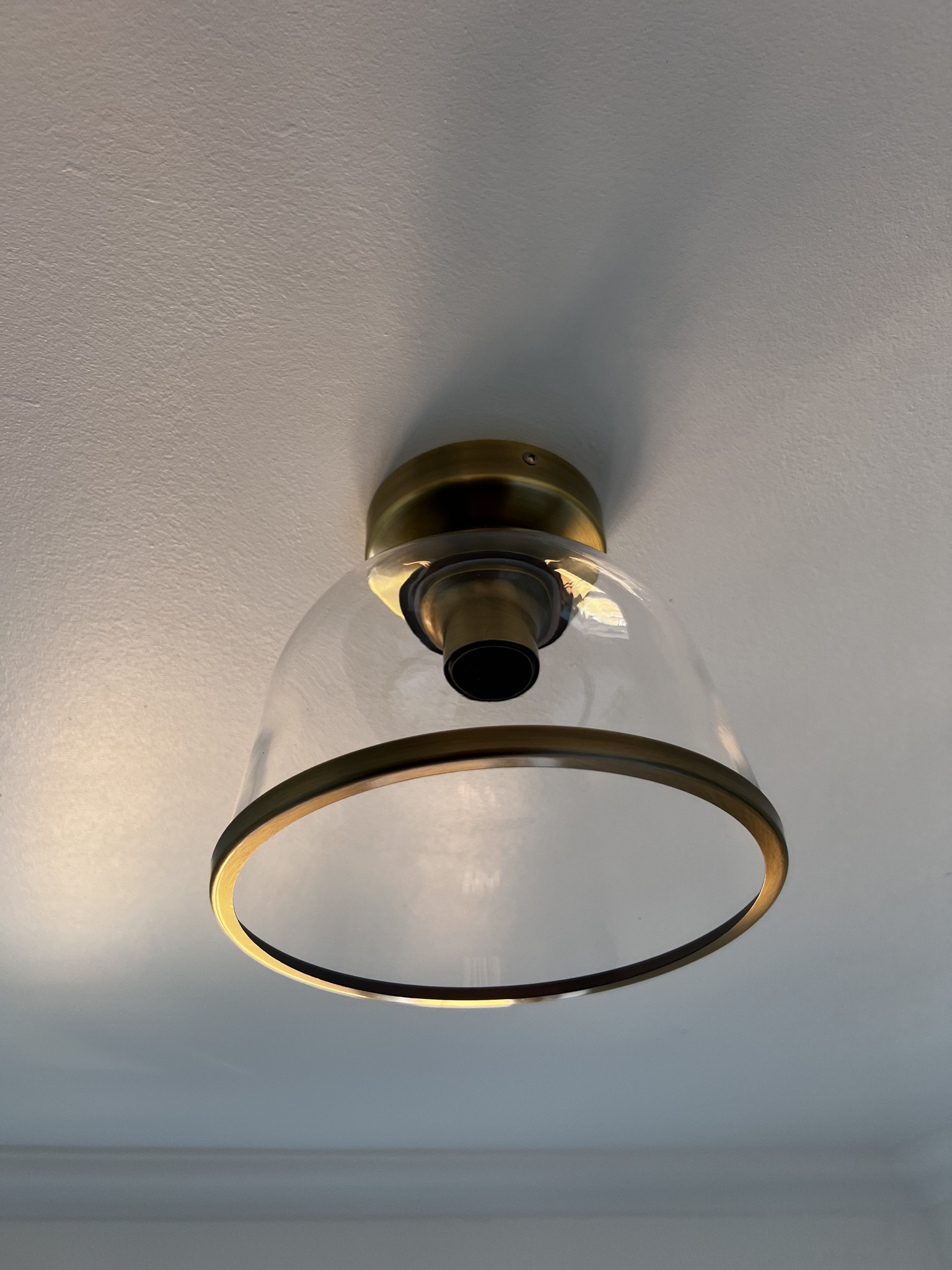
Use equipment suitable for its location
An exposed wall, sheltered entry, and ground-level location can present different installation conditions. Provide fixture specifications and photos of the intended mounting area. Wiring, supports, exposure, and access need review alongside the appearance of the equipment.
Understand the route and repair work
New outdoor lighting may need a circuit extension or additional routing. Ask whether the proposed work includes any trenching, surface openings, restoration, or separate finish repairs. If landscaping is being changed, share that schedule before the electrical work is planned.
A question before you start
Can a new light use an existing exterior circuit?
That depends on the circuit, its condition, the added equipment, and the installation. Existing power nearby is useful information but does not establish suitability by itself.
Let’s discuss your project.
Contact Christian Powell at (310) 857-2253 or prepare an email request. Include your address, equipment details, and a description of the work. You can also return to lighting installation to explore the broader category.