Make sense of an electrical problem
An electrical symptom does not always tell you where the problem begins. A room without power could involve an outlet, a connection, or a circuit serving several spaces. Start by describing what changed, which rooms are affected, and whether the issue happens all the time or only with certain equipment. These details help focus the conversation before a visit.
What to include in your repair request
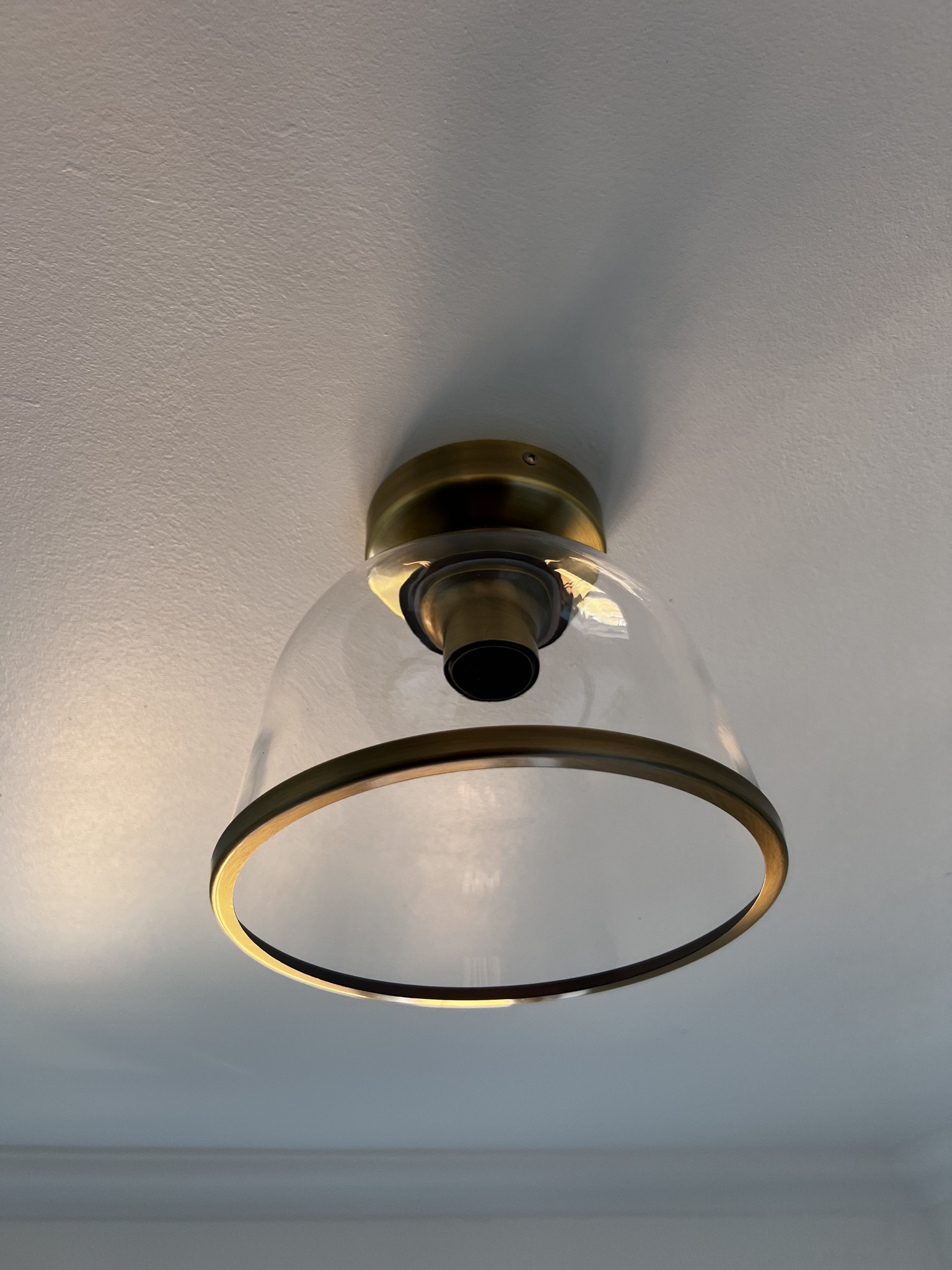
Share when the issue started, whether recent work took place, and which lights or devices were in use. If it is easy to do from a safe distance, a photo of the affected fixture or the closed panel label can provide context. Do not remove covers, open equipment, or touch exposed wiring to take a photo.
Projects to talk with us about
- Outlets or switches that have stopped working
- Lights that flicker or behave inconsistently
- Breakers that repeatedly trip
- Electrical issues following a remodel
Discuss the finding before the fix
The repair approach depends on the condition of the existing system and the cause of the problem. Ask what the proposed work addresses, what is included in the quote, and whether any related concerns need separate attention. A useful scope explains the work in terms you can understand, including any access or follow-up needed.
When a small issue points to a bigger project
A recurring problem can be a good reason to review the way a space uses electricity. Added appliances, a remodeled room, or a new workspace may change circuit needs. A repair conversation can help identify whether to focus on one component or plan a broader wiring or capacity review.
Ready to discuss your property?
Contact Christian Powell at (310) 857-2253 or prepare a project inquiry. Include your address and a short description of the work. For planning information, visit our guides and local resources.